


Cork, a symbol of excellence and sustainability, is a natural material that lends itself to many applications, from green building and design to furniture and packaging. Among its most versatile and in-demand declinations is cork granulate, an innovative solution that is the basis for numerous uses. Italy, with its vast forests of cork oaks and a long tradition of processing this material, plays a key role in the production and distribution of granules internationally.
Cork granules, obtained by crushing bark, are highly valued for their thermal, acoustic and shock-absorbing insulation properties. These advantages, combined with the material’s sustainability, make it an indispensable resource in areas ranging from construction to furniture. At a time in history when the ecological transition is a priority, cork granulates are a practical and versatile alternative to synthetic materials.
Economic and environmental value of cork oak forests in Italy 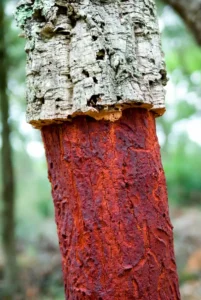
Cork oak forests, distributed mainly in Sardinia, Sicily and Tuscany, are not only a natural heritage of inestimable value, but also a strategic economic resource for the country. These ecosystems play a crucial role in protecting biodiversity, harboring numerous animal and plant species, many of them endangered. In addition, cork oaks contribute significantly to the fight against climate change by absorbing large amounts of carbon dioxide and reducing the impact of human emissions.
The local economy benefits greatly from the sustainable management of these forests, which generate job opportunities in areas such as cork harvesting, processing and distribution. Italian companies, including such excellences as. Cork Line, stand out for their ability to combine tradition and innovation, transforming raw cork into products with high added value, such as granules.
Cork granulate production: a natural and technological process
The production process of cork granulates combines elements of craftsmanship and technological innovation, ensuring a product of the highest quality. Every step, from bark harvesting to refining, is carefully designed to preserve the unique properties of the material and minimize environmental impact.
Harvesting cork bark: a regenerative process
Cork is harvested every 9-10 years, respecting the natural regeneration time of the bark. This sustainable practice does not harm the trees, which continue to grow and fulfill their ecological role. In Italy, harvesting is regulated by strict regulations that ensure the protection of forests and encourage the responsible use of resources.
The cyclical regeneration of the bark is a unique process in nature, making cork a renewable and inexhaustible resource. After harvesting, the bark is seasoned in the open air for several months, an essential step to improve its physical and chemical properties before processing.
Crushing and refining techniques
Once seasoned, the bark undergoes a controlled crushing process, which reduces it to small fragments. These are then sieved and classified according to grain size, which varies according to the end applications. Finer granulates are ideal for thermal insulating plasters and precision products, while coarser granulates are used for lightened screeds and other structural purposes.
Technology plays a crucial role in this stage, ensuring precise and efficient processing. Modern machines with automated systems ensure consistent product quality and minimize waste. In addition, many companies are adopting innovative solutions to optimize the energy efficiency of their plants, helping to further reduce the environmental impact of production.
Quality Standards
A key aspect of cork granulates production is adherence to strict quality standards, which ensure optimal performance in every application. Laboratory tests evaluate parameters such as density, heat resistance and sound insulation capacity, ensuring that the product meets the specifications required by different industries. These standards make cork granulates a reliable and versatile choice, suitable for a wide range of uses.
Cork processing: tradition and innovation
Cork processing in Italy has deep roots in traditional craftsmanship and is continually evolving through technological innovations. This combination of past and future is what makes Italy a global leader in the cork industry.
Evolution of processing techniques in Italy
Over the centuries, cork processing techniques have improved from manual methods to highly sophisticated industrial processes. Today, Italian companies use state-of-the-art machinery to ensure precise and efficient processing. However, many steps retain an artisanal feel, such as the manual selection of barks and finishing of products, which ensure meticulous attention to detail.
The ability to combine tradition and innovation is what distinguishes Italian companies, which continue to innovate without losing sight of product quality and authenticity. This approach has allowed Italy to establish itself as an international benchmark for cork processing.
Craft skills and product quality
Craft skills play a key role in cork processing, directly influencing the quality of the final products. From choosing the best barks to finishing the granules, each step requires experience and attention to detail. These skills, passed down from generation to generation, are valuable assets that contribute to the success of the industry.
Cork production Italy: an international excellence
Italy is among the leading producers of cork in Europe, thanks to a combination of favorable climatic conditions and a long tradition of processing. Production districts, such as those in Sardinia, Sicily and Tuscany, represent the beating heart of the Italian cork supply chain, with a wide network of companies specializing in the collection, processing and distribution of the material.
The main cork production districts in Italy
Sardinia, in particular, stands out as the main center of production, with forests covering thousands of hectares and an established network of companies. Sicily and Tuscany, although with lower volumes, also contribute to national production, offering high-quality cork for specific applications.
Export and industry leadership
Italy not only meets domestic demand, but is also a major exporter of cork and cork products, such as granulate. Italian companies are valued for their ability to offer innovative and sustainable products that meet the highest standards demanded by international markets. This positioning has enabled Italy to consolidate its leadership in the sector, opening up new opportunities for growth and development.
Research and development
Another distinctive feature of the Italian supply chain is the investment in research and development. Companies collaborate with universities and research centers to explore new applications for cork and improve processing technologies. This proactive approach ensures that the industry remains competitive and cutting-edge, contributing to the success of Italian cork in the global arena.
Applications of cork granulates
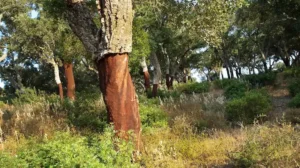 Cork granulates stand out for their versatility, finding applications in a wide range of sectors, from construction to furniture, packaging to fashion. Due to its insulating properties, light weight, and ability to absorb shock, this natural material has become an indispensable solution to meet the needs of sustainability and functionality.
Cork panel production: thermal and acoustic insulation
One of the main applications of cork granules is in the production of insulation panels, which are used to improve the energy performance of buildings. Cork panels are valued for their ability to maintain a constant temperature inside rooms, reducing heating and cooling costs. They also provide excellent sound insulation, reducing noise from outside or between adjacent rooms.
These panels are particularly suitable for green building projects, where sustainability is a priority. Because of their durability and weather resistance, cork panels are a long-term solution that combines energy efficiency and environmental friendliness.
Building granulates: lightweight screeds, plasters and slabs
In construction, cork granules are also used for the production of lightweight screeds and heat-insulating plasters, two essential components in the construction and renovation of modern buildings. Screeds made with cork granulates significantly reduce the weight of structures, making them ideal for renovation projects on historic buildings or those with structural constraints.
Plasters with cork granulates, on the other hand, combine insulating and breathable properties, helping to improve living comfort and prevent moisture and mold problems. This type of plaster is particularly popular in energy upgrades, where efficiency and sustainability are top priorities.
Uses in furniture, footwear and packaging
In addition to construction, cork granulates are also widely used in industries such as furniture, footwear and packaging. In interior design, cork granulate linings are chosen for their natural aesthetics and insulating properties, while in footwear, the granules are used to make ergonomic insoles and lightweight soles, which are ideal for ensuring maximum comfort.
In the packaging industry, cork granulates are used to protect fragile products such as wine bottles, ceramic objects or electronic devices. Because of its shock-absorbing capacity and light weight, cork is an environmentally friendly solution that meets logistical and sustainability needs.
Development of new environmentally friendly products
Cork granulates continue to inspire innovation in design and industry with the development of cutting-edge eco-friendly products. For example, cork-based composites are being tested for applications in automotive and aerospace, areas where light weight and strength are critical.
Cork and sustainability
Cork is an excellent example of how a natural material can contribute to sustainability because of its ability to integrate seamlessly into circular economy models. Every step of the production process, from harvesting to processing, is designed to minimize environmental impact and maximize resource efficiency.
Circular economy and scrap reuse
The waste generated during cork processing is not wasted, but reintegrated into the production cycle. For example, smaller fragments are used to produce granules or to fuel biomass plants that generate renewable energy. This approach ensures that every part of the bark is valued, minimizing waste and promoting a circular economy model.
Reducing emissions through eco-friendly processes
The production of cork granulates is distinguished by its low environmental impact, thanks to the use of renewable energy and the optimization of production processes. Many companies in the industry are investing in facilities that use photovoltaic panels and low-emission technologies, helping to further reduce the carbon footprint of cork.
Environmental benefits of cork oak forests
Cork oak forests not only provide the raw material, but also play a key role in combating climate change. These ecosystems absorb large amounts of CO2, contribute to the prevention of desertification, and provide habitat for numerous species. Promoting the use of cork also means supporting the conservation of these forests, which are a valuable resource for the planet.
The role of cork in combating climate change
Because of its ability to sequester carbon dioxide, cork is considered an important ally in the fight against climate change. Every pound of cork produced helps balance CO2 emissions, making it an environmentally friendly choice for industries and consumers who want to reduce their environmental impact.
Cork granulates represent an irreplaceable resource for Italy, combining sustainability, versatility and innovation. Its applications in construction, furniture, packaging and beyond make it a symbol of excellence and environmental responsibility. Thanks to investments in research and development, Italy continues to be a global leader in cork processing and enhancement.
Choosing cork granulates means not only using a high-quality material, but also contributing to a greener, more sustainable future by supporting a production model that respects the environment and promotes the circular economy. Contact us now for your sustainability journey.


